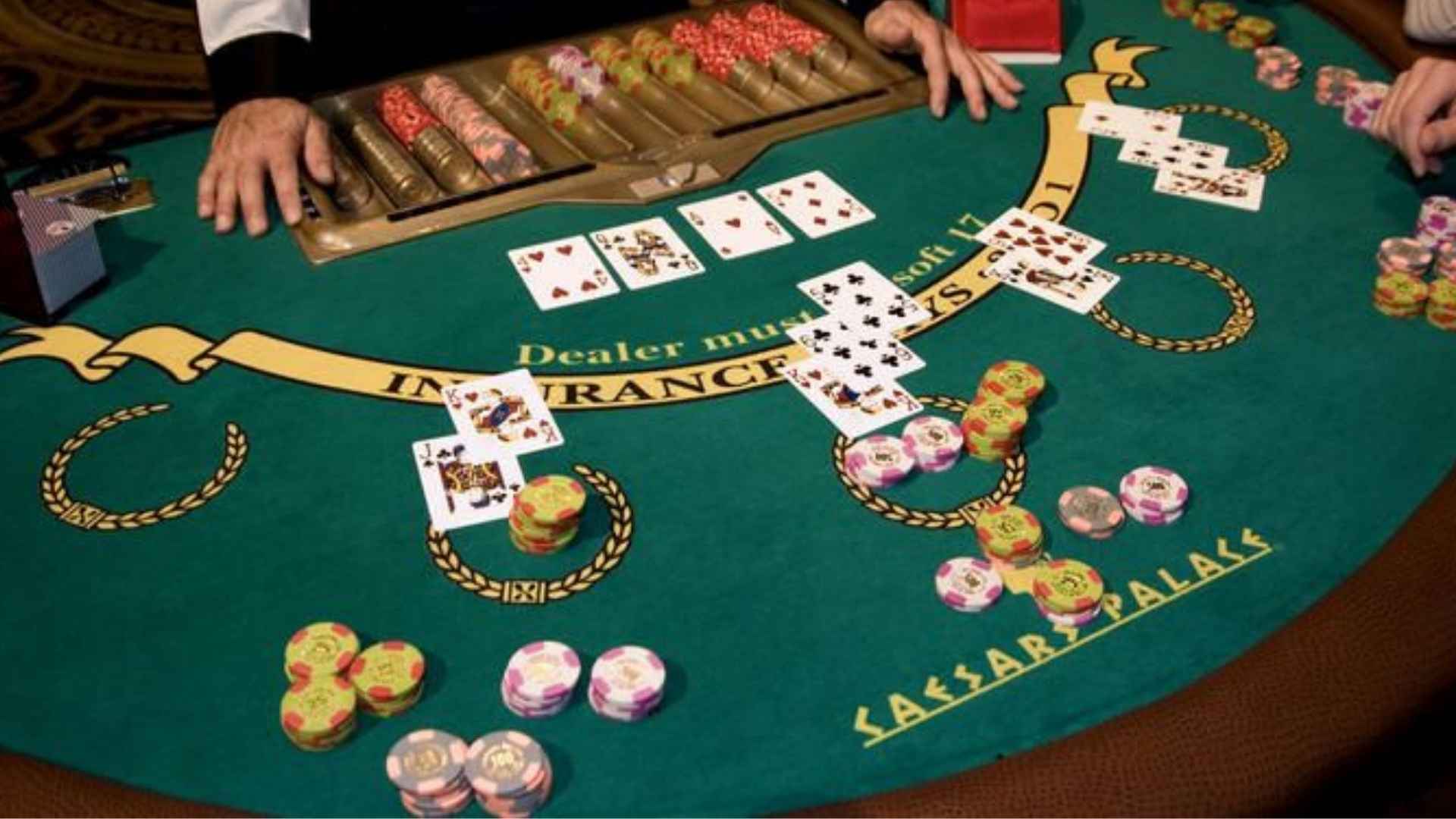
While many players view card solitaire as a relaxed pastime decided entirely by the luck of the deck, experienced enthusiasts know that success often hinges on critical decision points. Moving a card too quickly or delaying a necessary foundation play can quietly block your entire path to victory. Mastering the art of patience in these games means learning exactly when to hold back and when to make a decisive move.
The Danger of Overplaying Early Moves
In standard solitaire layouts, the temptation to immediately move every available card to the foundation piles can be a major trap. Doing so often strips the tableau of valuable middle-ranking cards that are needed to transition other hidden sequences. A balanced player keeps these cards on the table until they are absolutely certain that removing them will not create an inescapable bottleneck.
By delaying these moves, you preserve maximum flexibility across your columns and ensure you can handle unexpected card reveals. This patient approach keeps your board dynamic and prevents early dead ends that force a premature restart. Strategic delay is often the single most important tool in a player's arsenal for securing a high win rate.
Maximizing the Efficiency of Your Stockpile
Another area where timing proves absolutely vital is how you manage your draws from the reserve deck. Cycling through the stockpile without a clear objective can lead to wasted opportunities and missed sequences on the tableau. Successful players analyze the current board state thoroughly before drawing a new card to ensure they are prepared for the next layout shift.
This mental discipline ensures you only introduce new variables when you have exhausted all logical pathways on the main table. For those who enjoy testing their decision-making speed alongside tactical timing, exploring modern platforms like the game stick m88 can offer an exciting way to practice layout coordination. Developing these habits allows you to see several turns ahead and make highly calculated plays.
Building the Foundation with Analytical Precision
When the game reaches its final phases, the sequence in which you move cards to the top piles must be handled with care. Equal progress across all four suits is generally much safer than rushing a single suit to completion. This balanced construction ensures that lower-value cards of other suits are not permanently trapped underneath higher-value cards.
Maintaining this harmony across the board is what separates casual players from true strategy masters. Every successful card sequence completed is a testament to calculated foresight rather than mere fortune. Ultimately, treating each layout as a puzzle of time management will transform how you approach your daily deals.